Panicle mite
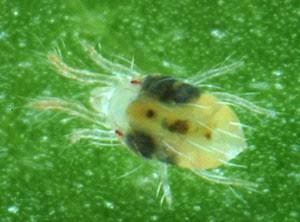
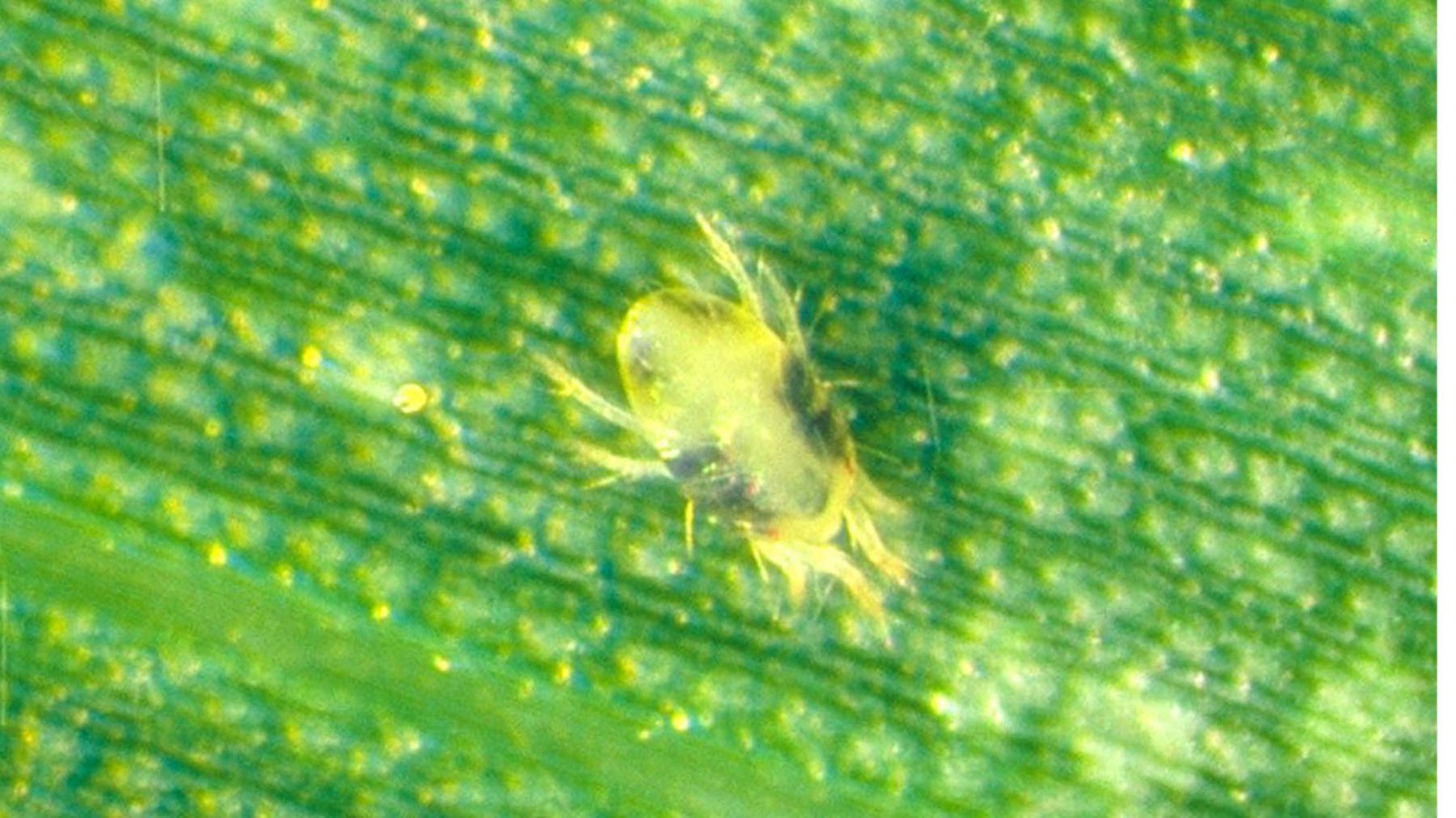
Caused by: Oligonychus oryzaeProblem Category: Sucking pest
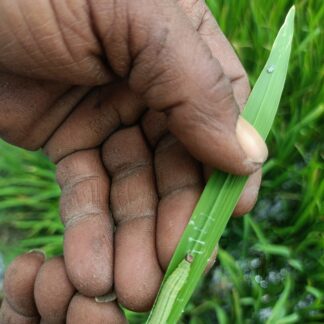
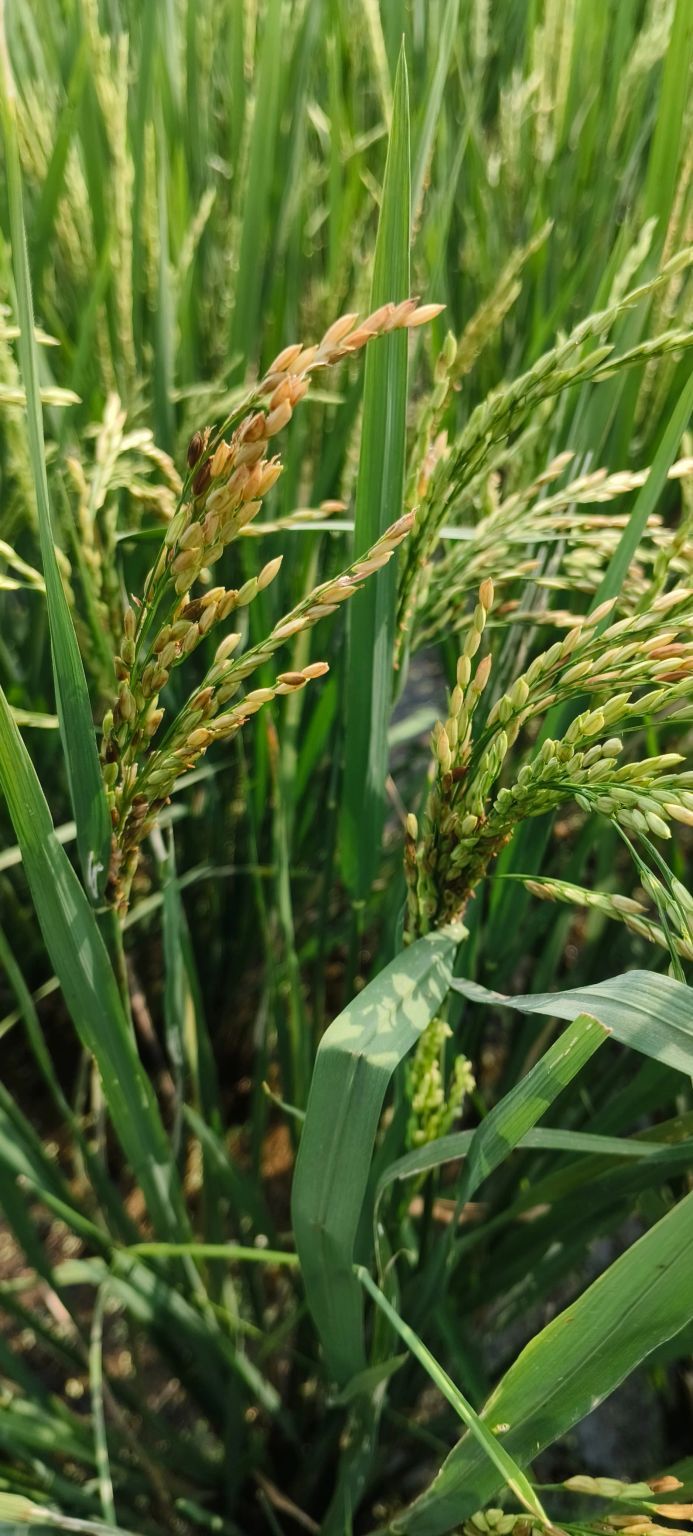
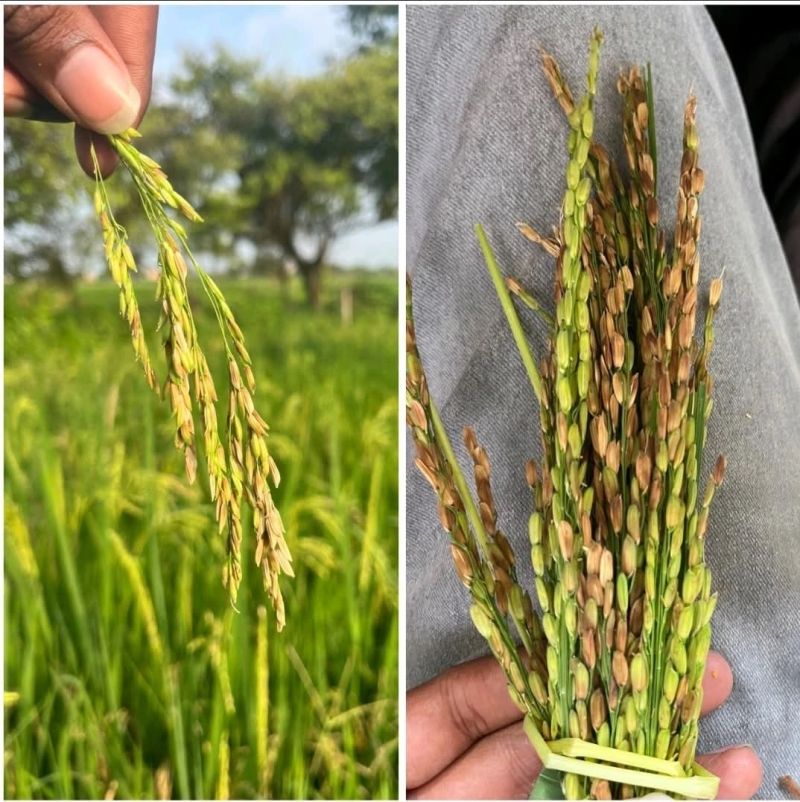
Symptoms: Infested plants look pale and loss of chlorophyll on the leaves will be seen by a dirty brown colour. Both the adults and young ones remain in large numbers on the lower side and suck the juice. White patches can be seen as a result of desapping. Seedling in the nursemries and transplanted crop are affected.due to infestation of these mites brown spots formed and grain turn chaffy, the spots eventually turn black. Diseases like sheath blight spread through this mite.
Comments: Minute globular eggs are laid singly on the leaves. Nymphs on hatching have only three pairs of legs and after the first moult, the fourth pair develop. Total life cycle will be completed in about 15 to 18 days.
Management: 1. Cultural controls include plowing stubble after harvesting the crop. 2. Fallowing fields 2 weeks after harvest, rotation of paddy with an alternate crop like pulses. 3. Cleaning machinery before using in an un-infested field 4. Bring Cycas (Kamakshi) flowers and tie them to sticks keep above the crop height. Keep these sticks at 10–15 locations across the field, interspersed with grass. The smell repels large bugs, preventing them from entering the field for two weeks; by this time, the grain-filling stage is complete, and the crop reaches maturity.
Control: 1. Dry and powder Achyranthes aspera (Uttareni) roots (10 kg) and neem bark (5 kg). Soak the mixture in 100 liters of water for 10 days, then filter and spray the liquid. 2. A solution made by pounding Vitex negundo (Vavili) leaves, neem leaves, custard apple leaves, and castor leaves, and mixing the paste with cow urine. 3. A mixture of cattle dung, urine and asafoetida (hing) solution. 4. Onion extract: Soak 5 kg of onions paste in 10 liters of water for 48 hours; add 100 g of turmeric and 100 g of soapnut powder (or extract) to the liquid, then spray.